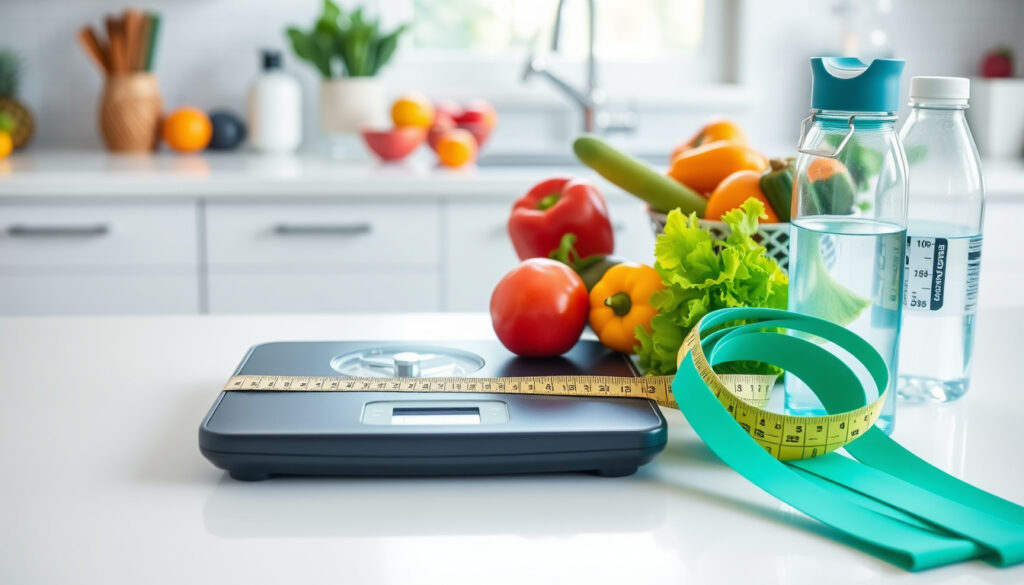
How to Lose Weight: Evidence-Based Tips from CDC & NHS
Shedding pounds feels daunting until you realize the basics haven’t changed in decades. Government health agencies—particularly the CDC and NHS—still champion the same core strategies they did years ago, and the numbers back them up. A closer look at real program data reveals what actually works when thousands of people commit to lasting change.
Healthy loss rate: 1-2 pounds per week · Caloric deficit: 500 fewer calories daily · Activity target: 150 minutes weekly · UK program result: 3.9kg average loss
Quick snapshot
- Gradual loss of 1–2 lbs/week leads to better maintenance than rapid dieting (CDC)
- 500 fewer calories daily yields roughly 1 pound per week (NIH News in Health)
- People keeping weight off typically log 60–90 minutes of moderate activity most days (CDC)
- Whether specific fast-loss timelines (like 5kg in 7 days) are safe for most people
- Exact fat-loss order varies person to person based on genetics and starting point
- CDC three-step approach: reflect, replace, reinforce eating habits
- NHS 5 A Day target: 80g of fruit or veg per portion
- Session attendance correlates with greater weight loss in structured programs
- Small dietary changes compound over weeks into measurable results
- Sustainable programs show 2–4% average weight reduction across populations
Four dimensions matter most when evaluating weight loss claims: rate, method, sustainability, and what real-world programs actually deliver.
| Metric | Value | Source |
|---|---|---|
| Sustainable loss rate | 1–2 lbs/week | CDC guidance |
| Daily caloric deficit for ~1 lb/week loss | 500 calories | NIH News in Health |
| Weekly activity target (adults) | 150 minutes | NHS recommendations |
| Weight maintenance activity level | 60–90 minutes/day | CDC keeping-it-off guide |
| NHS DPP intention-to-treat mean loss | -2.3 kg (-2.7%) | PMC peer-reviewed study |
| NHS DPP completer mean loss | -3.3 kg (-4.0%) | PMC peer-reviewed study |
| NHS DPP participants losing ≥5% (completers) | 37% | PMC peer-reviewed study |
| NHS Digital Weight Management Programme average | 3.9 kg | Chemist4U analysis |
What is the easiest way to lose weight?
Government health bodies converge on a surprisingly simple answer: make small, lasting changes to how you eat and move. No gimmicks, no expensive programs—just consistent habits that add up over time.
Small diet changes
The NHS recommends starting with achievable swaps: swap sugary drinks for water, choose whole grains over refined carbs, and aim for your 5 A Day of fruits and vegetables (NHS guidance on weight management). One portion equals 80g of fresh, canned, or frozen produce.
The CDC takes a three-step approach to permanent habit change: reflect on why you eat as you do, replace unhealthy patterns with healthier alternatives, and reinforce those new habits consistently (CDC guidance on eating habits). Making sudden radical changes—like eating nothing but cabbage soup—might produce short-term results but rarely sticks.
Increase activity
The NHS recommends 150 minutes of physical activity per week, which can be broken into shorter sessions (NHS physical activity guidance). Adults 65 and older need at least that amount of moderate-intensity movement, plus two days of muscle-strengthening activities per week (CDC activity recommendations).
People who keep weight off long-term typically engage in 60 to 90 minutes of moderate-intensity activity most days, according to CDC research (CDC weight maintenance data).
Avoid fad diets
Fast-fix diets often backfire. The CDC warns that extreme restriction leads to short-term loss but rarely lasts. More importantly, it can leave you nutrient-deficient and more likely to regain weight once normal eating resumes.
Programs with more sessions deliver better outcomes. The NHS DPP averaged 8 sessions and achieved 37% of completers losing ≥5% of body weight. Contrast that with the Finnish DPP’s 2.9 sessions and roughly 1kg average loss.
What drinks help with weight loss?
What you sip matters as much as what you chew. Certain beverages can support weight loss by boosting metabolism, curbing appetite, or replacing high-calorie alternatives.
Morning drinks for fat loss
Water remains the gold standard. Drinking a glass before meals can reduce overall calorie intake. Green tea contains catechins that may slightly increase metabolism. Black coffee, consumed without sugar or cream, adds negligible calories and might provide a mild appetite suppressant effect.
Best weight loss drinks
- Water (especially before meals)
- Green tea or unsweetened coffee
- Vegetable juices (low-sodium options)
- Protein shakes (as meal replacements, not supplements)
- Avoid: sugary sodas, fruit juices with added sugar, alcoholic beverages, and fancy coffee drinks with syrups and whipped cream
Experts recommend limiting beverages high in calories, saturated fats, refined carbohydrates, or sugar (NIH dietary guidance). A balanced diet should include a variety of fruits and vegetables, whole grains, lean proteins, and low-fat dairy alternatives.
The implication: focus on drinks that genuinely support the process rather than quick fixes.
How to lose weight fast?
Fast weight loss is possible but comes with caveats. The key distinction: safe rapid loss versus dangerous deprivation. Government agencies draw that line clearly.
Lose 5kg in 7 days
Claims of dropping 5kg in a week fall into the extreme category. Most of that initial loss would be water weight, not fat. Sustainable programs aiming for 1–2 pounds weekly produce actual fat loss that lasts. The NHS recommends losing 0.5–1kg per week as a healthy target (NHS weekly weight targets).
International diabetes prevention programs show what structured interventions achieve: the US DPP reported 4.2% mean weight reduction with 14 median sessions, while the Australian DPP saw 1.4–2.5kg losses depending on session completion (PMC international comparison study).
Drop 20 pounds quickly
Losing 20 pounds at a safe rate of 1–2 pounds weekly takes 10–20 weeks—roughly 2.5 to 5 months. That timeline discourages people seeking instant results, but it produces losses that stick. In the NHS DPP, 24% of all participants lost 5% or more of their baseline weight, with 37% of program completers hitting that mark (PMC NHS DPP outcomes).
Fast at home
Without access to structured programs, home-based weight loss requires discipline around calorie tracking and activity. A deficit of 500 calories daily typically yields one pound of loss per week. Combining that with 150 weekly minutes of moderate activity accelerates results safely.
Factors like medicines, medical conditions, stress, genetics, hormones, environment, and age all affect weight management outcomes. If you’re struggling despite doing everything right, consult a healthcare provider about underlying factors.
What is the 3 3 3 rule for weight loss?
The 3-3-3 rule has circulated in fitness circles as a simplified framework. While not an official government guideline, it echoes evidence-based principles.
Rule breakdown
Common interpretations: 3 meals per day, 3 snacks allowed, 3 liters of water. Or sometimes: 3 days of clean eating, 3 workouts, 3 habits to build. The specific numbers matter less than the underlying principle—consistency across nutrition, hydration, and movement.
Application tips
- Eat regular intervals to avoid blood sugar crashes that trigger overeating
- Stay hydrated: water supports metabolism and can reduce false hunger signals
- Track consistency, not perfection: three good days out of five beats burning out on seven
The CDC emphasizes that factors including hormones, genetics, age, and environment all influence how effectively any rule translates into results (CDC weight management factors).
Which body part loses fat first?
This question reflects a common misconception: spot reduction. You can’t target fat loss from specific areas through exercise alone.
Fat loss patterns
Genetics determine where your body stores and mobilizes fat first. Some people lose from their face and chest first; others start with hips and thighs. Research published in the National Library of Medicine shows that subcutaneous fat distribution varies significantly based on sex hormones and genetic factors.
Older adults (up to 75 years), men, and those with higher baseline BMI tend to lose more weight in structured programs, according to NHS DPP data (PMC demographic analysis). Younger participants, women, and those with lower starting BMI often see smaller losses.
Spot reduction myths
Doing hundreds of crunches won’t melt belly fat specifically. That fat disappears systemically as you maintain a caloric deficit. Building muscle in an area can change its appearance as muscle fills space beneath remaining fat.
Targeted fat loss sounds appealing but remains biologically unsupported. Focus instead on total body composition change through proven methods: sustainable caloric deficit, consistent activity, and adequate protein intake to preserve muscle.
Steps for lasting weight loss
Putting government guidance into practice requires a concrete roadmap. These steps draw directly from CDC and NHS recommendations.
- Assess your starting point: Track what you currently eat and drink for one week without changing anything. Use a simple app or notebook. This builds awareness before restriction begins.
- Set a realistic target: Aim for 1–2 pounds weekly (0.5–1kg). That’s 500 fewer calories burned than consumed each day. Calculate your maintenance calories, then subtract 500–1000.
- Revise one habit at a time: Don’t overhaul everything Monday. Replace sugary drinks with water for two weeks. Add one extra serving of vegetables daily. Build sequentially.
- Move more—find something you enjoy: 150 minutes weekly sounds daunting until you break it into 30 minutes, five days. Walking, cycling, swimming, dancing—all count. The best exercise is the one you’ll actually do.
- Weigh and measure periodically: Weekly weigh-ins track progress without obsessing. Use the same scale, same time of day. Expect natural fluctuations of 2–3 pounds from water retention alone.
- Plan for maintenance from day one: Ask yourself: can I eat this way forever? If the answer is no, find an alternative. Crash diets create rebound weight gain. The CDC confirms that people keeping weight off long-term continue eating fewer calories than their pre-loss baseline.
- Seek support when needed: The NHS Digital Weight Management Programme averages 3.9kg loss per participant. These structured programs offer accountability, education, and community that solo efforts often lack.
Upsides
- Gradual loss of 1–2 lbs/week leads to better long-term maintenance than rapid dieting
- Small changes compound: swapping one soda daily saves ~150 calories
- Structured programs with more sessions produce better outcomes
- Regular activity reduces cardiovascular risk alongside weight loss
- Evidence-based approaches work without expensive supplements or gadgets
Downsides
- Results take weeks to become visible, testing patience
- Individual factors (genetics, hormones, medications) affect outcomes
- Fad diets promise faster results and attract people away from sustainable methods
- Plateaus are normal and discouraging
- Maintaining loss requires permanent habit changes, not temporary effort
“Making sudden, radical changes such as eating nothing but cabbage soup can lead to short-term weight loss but won’t be successful in the long run.”
— CDC guidance on improving eating habits
“A healthy diet should be balanced and provide a variety of fruits and vegetables, whole grains, lean meats, and low-fat dairy or dairy alternatives.”
— NIH News in Health, Healthy Weight Control
Related reading: Ozempic Side Effects · KG to Lbs Converter
institute.global, chemist-4-u.com, cdc.gov, cdc.gov, hhs.gov, cdc.gov
While CDC and NHS advocate steady 1-2 pounds weekly through diet and exercise, the NHS safe fast weight loss guide offers expert strategies for accelerating progress safely.
Frequently asked questions
How to lose weight for kids?
Children require different approaches than adults. Focus on family-wide habit changes rather than calorie counting. Increase physical activity as a family, improve food quality (more vegetables, fewer processed snacks), and limit screen time. Consult a pediatrician before starting any weight management program for children.
How did Kelly Clarkson lose weight so quickly?
Celebrity weight loss often involves professional nutritionists, personal trainers, and sometimes medical supervision—resources unavailable to most people. Rapid loss in public figures may also involve water weight methods for specific events. Focus on sustainable methods rather than celebrity comparisons.
What’s the worst carb for belly fat?
Refined carbohydrates—white bread, pastries, sugary drinks, and processed snacks—spike blood sugar and promote fat storage around the abdomen. Whole grains, vegetables, and legumes provide fiber that supports healthy weight management. The CDC recommends limiting foods high in refined carbohydrates and added sugars.
How to lose weight without exercise in a week?
Exercise accelerates weight loss but isn’t mandatory for caloric deficit. Focus entirely on nutrition: reduce portion sizes, cut liquid calories, increase protein and fiber intake, and avoid processed foods. Expect slower results than combined diet-and-exercise approaches, but a deficit alone will produce loss.
How to lose weight fast at home?
At-home weight loss requires calorie tracking (even roughly), portion control, and increased non-exercise activity like walking more and sitting less. Eliminating high-calorie beverages, reducing refined carbs, and adding protein to each meal creates a deficit without gym access. Realistic expectations: 1–2 pounds weekly.
How to lose weight naturally?
Natural weight loss means avoiding supplements, medications, or extreme procedures. It relies on whole foods, adequate sleep, stress management, and regular movement. Natural doesn’t mean slow—many people lose weight steadily using only lifestyle changes backed by decades of research.
What drinks help burn belly fat?
No drink burns fat specifically, but some support weight loss: green tea (modest metabolic boost), black coffee (appetite suppression), protein shakes (satiety), and water (replacing calorie-laden alternatives). Consistency matters more than any single beverage choice.
For Americans starting this journey, the path is clear: ignore the noise from diet trends, trust the data from institutions like the CDC and NIH, set modest weekly targets, and commit to changes you can maintain indefinitely. Skip the cabbage soup shortcuts—the research shows gradual, consistent effort outperforms dramatic overhauls every time.
More related posts
 Emma Watson: Biography, Personal Life, and Career
 Macklin Celebrini: Age, Stats, Contract & Bedard Comparison
 Russell Williams: The Disgraced Colonel and Serial Killer
 RBC Line of Credit: Rates, Limits, and How It Works (2025)
 Short Graduation Dress Ireland: Best Picks & Tips
 Angus Cloud: Cause of Death, Irish Heritage, Zendaya Tribute
 Gino D’Acampo: Debts, Gordon Ramsay Fallout, Jail Time
 Cast of Solar Opposites: Voice Actors, Recasts & Updates