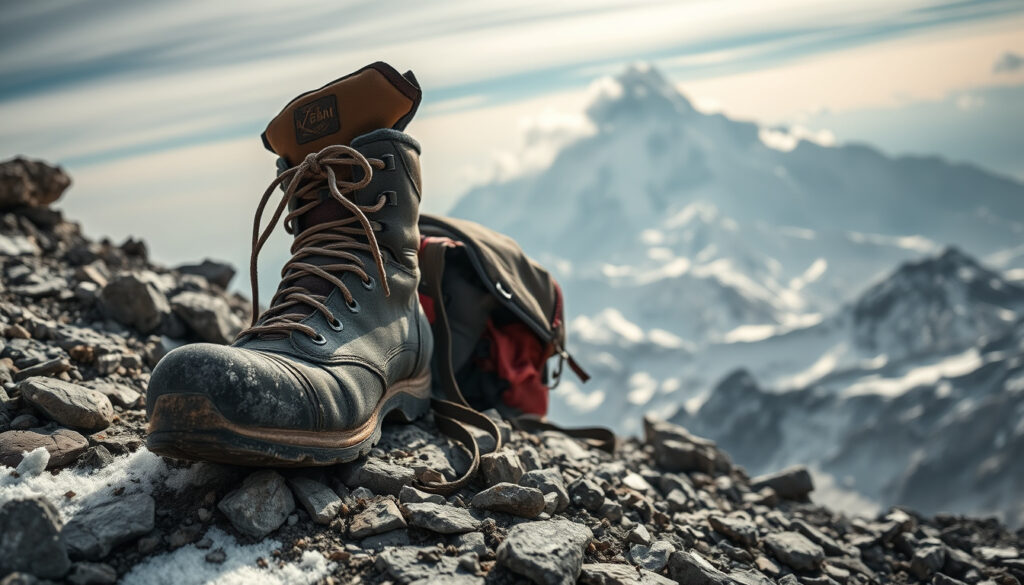
Bodies Mount Everest: Famous Corpses That Mark the Peak
Anyone who has ever seen a photograph of Mount Everest knows its jagged peak. But there’s something else on those slopes that doesn’t show up in postcards: the bodies of climbers who never made it home. More than 346 people have died climbing Everest, and an estimated two-thirds of those bodies remain on the mountain, frozen in time. Some, like the iconic “Green Boots,” have become grim navigational landmarks for the living who pass by.
Known deaths on Mount Everest: 346+ (as of 2025) · Most famous body: Green Boots (believed to be Tsewang Paljor) · Years Green Boots remained on mountain: 30 (1996–2026) · Altitude of Death Zone: Above 8,000 m · Percentage of bodies recovered: Less than 10%
Quick snapshot
- At least 346 people have died climbing Mount Everest (Associated Press).
- Green Boots is the most famous body, now removed (Associated Press).
- The Death Zone begins above 8,000 meters (Associated Press).
- The exact identity of Green Boots remains unconfirmed; the body is believed to be Tsewang Paljor.
- Many early climbers’ remains may still be on the mountain but remain unidentified.
- 1996 — Tsewang Paljor dies; his body becomes known as Green Boots. (Associated Press)
- August 2026 — Green Boots body removed after 30 years (Associated Press).
- Continued presence of bodies as landmarks for climbers.
- Recovery missions are slowly becoming more common.
Who is the most famous body on Mount Everest?
The presence of body-marked routes on Everest is a practical navigation tool for climbers, but it also normalizes the extreme risk. Green Boots was a landmark precisely because he stayed where he died.
Who was Green Boots?
- The body widely known as Green Boots is believed to be Tsewang Paljor, an Indian climber who died on the Northeast Ridge during the 1996 Mount Everest disaster (Associated Press).
- For 30 years, the body lay undisturbed, its distinctive lime-green climbing boots making it an unmistakable landmark for every climber attempting the north route (Associated Press).
- The body was one of the most visible and iconic corpses on the mountain, prompting decades of discussion about the ethics of leaving bodies in place (VOA News).
Are there other famous bodies like Sleeping Beauty?
Sleeping Beauty’s body remained on the mountain for years, propped against a rock in a seated position, becoming another grim landmark.
“The body lay undisturbed for 30 years, becoming an eerie marker for climbers heading to the peak,” reported BBC News.
- Green Boots was one of the most visible until its removal in 2026 (Associated Press).
- Many early climbers’ remains may still be on the mountain but remain unidentified (ExplorersWeb).
Is Green Boots the oldest body on Everest?
Green Boots (1996) is not the oldest.
- The body of George Mallory (died 1924) was discovered in 1999 and later recovered, so it no longer remains on the mountain.
Are there bodies from the 1920s still on the mountain?
Many early climbers’ remains may still be on the mountain but unidentified.
Bottom line: Everest both preserves and erases its dead.
The implication: a single body, frozen in a lime-green boot, became the most famous landmark on the deadliest stretch of the mountain — a silent witness to thousands of summit bids.
Are there any bodies recovered from Mount Everest today?
Every recovery mission puts a new team in the Death Zone. Less than 10% of bodies are ever recovered.
- The Death Zone, above 8,000 meters, has low oxygen and extreme conditions that make rescue and recovery especially hazardous (Associated Press).
- In 2026, Indian authorities hired high-altitude recovery specialists to retrieve the body believed to be Dorje Morup from Everest’s northern route in Tibet (Associated Press).
- The mission involved an elite team of Sherpas hacking the body from a block of ice at about 28,000 feet (Outside Online).
Why this matters: Recovery missions are slowly becoming more common, but the Death Zone continues to dictate whether the dead come home or stay where they fell.
Timeline: bodies on Mount Everest
- — Indian climber Tsewang Paljor dies on the north ridge; his body becomes known as Green Boots (Associated Press).
- — Body of George Mallory (died 1924) discovered and later recovered.
- — Green Boots body removed after 30 years (Associated Press).
For the government agencies and families who decide the fate of Everest’s dead, the question is no longer if recovery is possible, but at what cost.
Key facts
- At least 346 people have died climbing Mount Everest.
- Green Boots is the most famous body, now removed.
- The Death Zone begins above 8,000 meters.
Why are bodies left in the Death Zone?
The Death Zone’s altitude, extreme cold, and avalanche danger make recovery extraordinarily dangerous and expensive.
Are there female bodies on Everest?
Yes. Their stories, like those of their male counterparts, focus on the fine line between summiting and survival.
How do climbers respect the dead?
Most climbers are trained to continue past bodies without disturbing them. Rescue attempts are only mounted for living climbers. An average of 5–10 climbers die on Everest each year.
What happens to a climber’s body immediately after death on Everest?
In the Death Zone, a deceased climber’s body is typically left in place.
Related reading: Michelle Trachtenberg Cause of Death · Kelley Mack death
bbc.com, travelhimalayanepal.com, spacedaily.com, travelhimalayanepal.com, smithsonianmag.com, spectator.com, independent.co.uk
More related posts
 Nate Bargatze: Real Name, Podcast Ending, Booking Cost
 Jim Morrison Death: Official Cause, Last Words, and Grave
 KPop Demon Hunters Toys: Where to Buy, Mattel Sets & Prices
 Dave Grohl Paternity Scandal: Wife’s Forgiveness and Nirvana Legacy
 Sam Reinhart: Contract, Wife, Family, Stats and Injury News
 What Do Beavers Eat – Guide to Diet and Foraging Habits
 Annie Murphy: Children, Career, and Life After Schitt’s Creek
 Joey Chestnut: Net Worth, Records, Career & 2026 Incident